UNDERSTANDING PUBERTY AND SEXUAL HEALTH: WHAT EVERY TEENAGER SHOULD KNOW
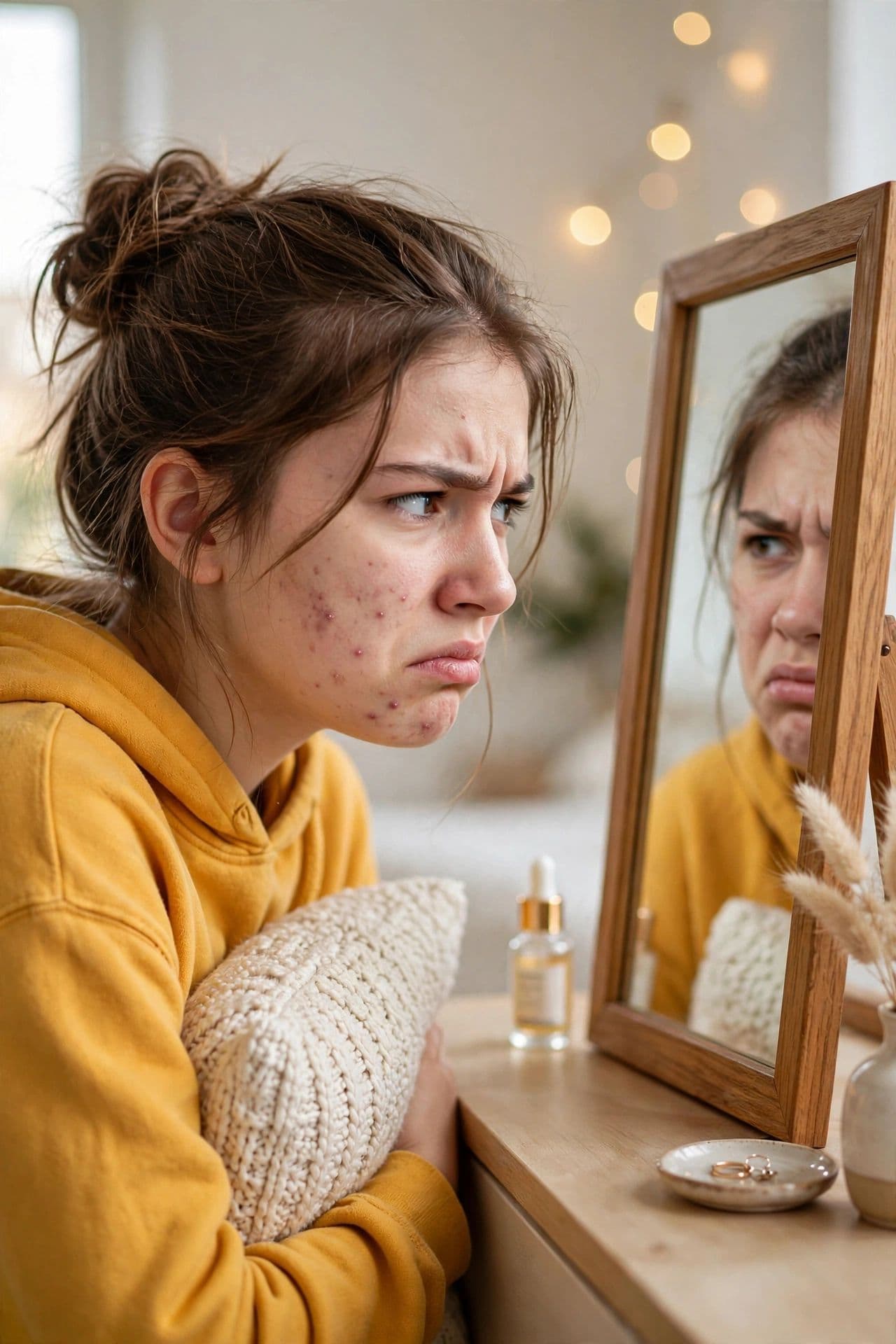
Puberty can feel confusing because your body, emotions, and even the way you see yourself may change in ways you have never experienced before. You may notice pimples appearing on your face, new hair growing in different parts of your body, stronger emotions, new feelings towards other people, or change in your reproductive system. Sometimes you may not even understand what is happening.
And that is exactly why understanding puberty and sexual health matters.
So what exactly is puberty?
Puberty is a normal stage of physical, emotional, and reproductive development through which a child’s body gradually becomes more mature. It is influenced by hormones —chemical messengers produced by the body that signal different organs and tissues to begin changing.
Puberty does not happen at exactly the same age for everyone. It commonly begins around 8-13 years in girls and 9-14 years in boys, although there is a natural variation. What matters is understanding that different bodies develop at different times.
During this period, the brain communicates with reproductive organs through hormones, triggering a series of changes. These changes prepare the body for reproductive maturity while also affecting growth, emotions, and behaviour.
So how do you know when puberty has begun?
What Happens To A Girl During Puberty
As a young girl, you may wonder, “How will I know that I have started puberty?”
One of the first things you may notice is a change in your body. Your breast may begin to develop, pubic and underarm hair may appear, and you may experience a growth spurt. Your skin may become oilier, which can lead to acne or pimples.
Your reproductive system is also developing inside your body, the ovaries begin becoming more active and producing hormones such as estrogen. These hormones contribute to many of the physical changes associated with puberty.
Eventually, you may experience your first menstrual period, commonly known as first period or Menarche. Menstruation happens when the lining of the uterus is shed through the vagina as part of the menstrual cycle.
Your body may also begin producing normal vagina discharge. This can be one of the body’s ways of maintaining a healthy vaginal environment. However, discharge that has an unusual color, strong unpleasant odor, or occurs with itches or pain may require medical attention.
And What About Boys
Boys experience puberty too, although the changes are not exactly the same.
A young boy may begin wondering “How will I know that I have started puberty?”
You may notice that you are gaining muscle. Your voice may gradually become deeper, and hair may begin growing on your face, under your arms, and around your pubic area. The penis and testicles also grow and develop as the reproductive system matures.
The testicles begin producing sperm, while hormones such as testosterone contribute to many of the physical changes associated with male puberty.
You may also experience erections. An erection occurs when increased blood flow causes the penis to become firm. During puberty, erections can sometimes happen unexpectedly and do not necessarily mean that you deliberately caused them or that something is wrong with you.
Just as girls may experience new emotions and attractions, boys may notice stronger feelings, attractions and sexual urges.
Again, you are not abnormal, you are going through a normal stage of development.
What About The Feelings And Urges?
This is where puberty becomes more than just a physical transformation.
As your body develops, you may experience feelings and urges that are new to you. You might suddenly become attracted to someone, and also feel curious about relationships or sexuality.
These feelings can be a normal part of growing up
But here is something important to remember!
“ Feeling an urge does not mean you have to act on it”
Puberty does not take away your ability to make choices. In fact, it is a time when learning how to understand your emotions and make responsible decisions becomes especially important.
You do not have to let every feeling determine what you do
Instead, learn to pause, understand what you are feeling, think about the consequences of your choices, and seek guidance from trusted adults when you are confused.
Why Sexual Health Education Matters
If puberty explains many of the changes happening in your body, sexual health education helps you understand “how to respond to those changes responsibly”.
This education is not about encouraging teenagers to have sex. It is about giving them accurate information so that they are not left confused, frightened, or dependent on rumours from their peers.
Understanding sexual health can help teenagers learn about
- Their changing bodies and reproductive system;
- Healthy boundaries and respectful relationships;
- Consent and personal safety;
- Sexually transmitted infections;
- Pregnancy and it’s possible consequences;
- How to recognize situations that are unsafe or inappropriate;
And when to seek help from a trusted adult or health care professional.
The purpose of learning about puberty and sexual health is not to make teenagers afraid of their bodies or ashamed of their feelings. It is to help them move through this important stage with knowledge rather than confusion, confidence rather than shame, and responsible choices rather than pressure or misinformation.
So the next time you look at yourself and wonder
What’s happening to me?
Remember
Nothing is wrong with you my friend, you’re growing. And the more you understand what is happening, the better prepared you will be to navigate it wisely.
Comments
Sign in to join the conversation.
No comments yet. Be the first to share your thoughts.